

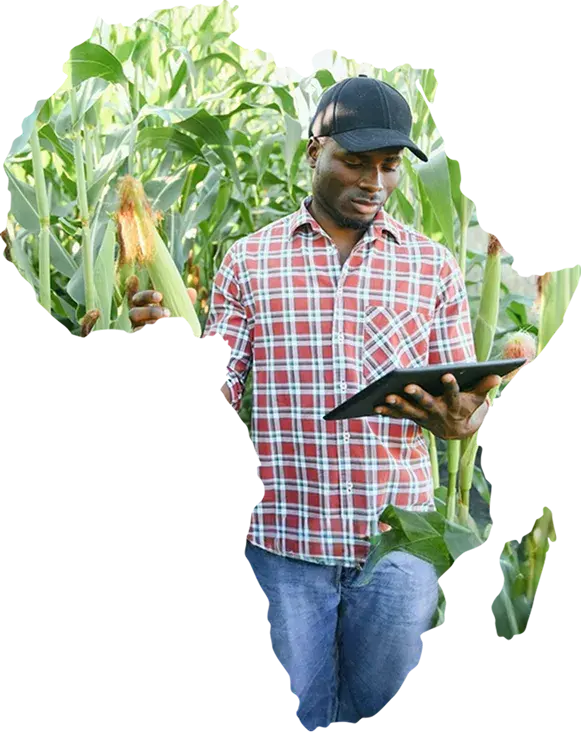
There is a structural gap at the heart of sustainable finance.
Investors are committed to sustainability. Corporates are making ESG pledges. But the producers and smallholder farmers at the origin of global agricultural value chains remain structurally invisible in the data systems that determine where capital flows and how sourcing decisions are made.
The result is a data and governance failure, Real World Impact was founded to close that gap by building the operational system that connects first-mile producer reality to boardroom accountability and investor reporting.
The Problem

Fragmented Data
ESG data across agricultural supply chains is self-reported, inconsistent and disconnected from real conditions at the source.

First-Mile Invisibility
Producers and SMEs who underpin agrifood and natural ingredient sectors remain outside formal data ecosystems entirely.
.png)
Gender Gaps Unverified
Without disaggregated producer-level data, gender equity in supply chains cannot be evidenced. It can only be asserted.
.png)
Unmanaged Risk
Without first-mile visibility, investors and corporates cannot identify climate, social and governance risks before they become material.
Vision
To strengthen prosperity and security across Africa by directing capital towards sustainable economic growth and resilient value chains. We believe that when capital, data and community participation operate within one co-creative system, sustainability and financial performance become mutually reinforcing rather than competing priorities.
Mission
To bridge global investment with the realities of value chains in Africa through verified, inclusive and decision-useful sustainability data. Real World Impact enables investors, corporates and value chain partners to act on their sustainability commitments by providing the operational infrastructure that makes first-mile data governable, auditable and investable.
The Co-Creation Impact Model (CCIM)
The Co-Creation Impact Model (CCIM) is Real World Impact’s own data integration and governance system. It connects first-mile agricultural value chain data, from producers, satellites and field systems, through a single governed pipeline to investor-grade, ISSB-aligned ESG and impact reporting.
CCIM is not another audit framework or reporting template. It is the infrastructure that enables investors, corporates, SMEs, and communities to work from a shared, verified understanding of risks, opportunities and outcomes. Each element of the system strengthens the next, turning sustainability into a self-reinforcing system of trust, transparency and performance, designed to scale across multiple geographies and sectors.
CCIM establishes a chain of custody from field to investor report. Data points are traceable, outputs are auditable, and reporting is aligned with ISSB, CSRD and TNFD standards from the point of collection, not retrofitted afterwards.


Investors and DFIs
CCIM delivers a governed, continuous data pipeline from first-mile producers to investor-grade reporting, making it possible to understand not just what a portfolio is doing, but what is actually happening in the value chains that underpin it. Outputs are verified, comparable and structured for decision-making rather than retrospective disclosure.
.png)
SMEs and Value Chain Actors
Through CCIM, operational data, income records, environmental practices and community indicators become part of a governed, investor-grade data architecture. Each contribution to the supply chain becomes visible, valued and connected to the reporting systems that determine where capital and recognition flow.
CCIM creates value for every actor in the system, from the investor seeking verified portfolio data to the producer community that is often invisible in the data architecture.
We work with you, wherever
you sit in the value chain.
.png)
Corporates
CCIM gives corporates a governed, continuous data relationship with the producers they source from, generating a verified picture of whether sourcing communities have the financial stability, environmental resilience and sense of mutual value needed to remain reliable over time. Sustainability claims become evidenced performance rather than asserted intention.

NGOs and Delivery Partners
CCIM connects programme delivery to the finance and data infrastructure that attracts and retains investment. Field relationships and community knowledge become the foundation of a governed data system, enabling delivery partners to demonstrate impact in terms that DFIs, corporates and institutional funders recognise and can act on.
Built from original field research at the first mile.
CCIM was not designed from a desk. It was built in direct response to original research conducted with women smallholder farmers in Kenyan essential oils supply chains, identifying the specific structural failure that prevents capital from reaching the first mile of global value chains.
That research found that women, who produce a disproportionate share of the agricultural output underpinning global industries, were often absent from the data systems that determined sourcing decisions and capital flows. CCIM is the infrastructure built in direct response to those findings.

Reliable income has lifted me up from poverty.
Essential oils producer
Kwale County, Kenya
- Judith,

Ready to connect
your first mile to your investors?
Whether you are an investor seeking verified portfolio data, a corporate closing your CSRD supply chain gap, a delivery partner seeking to connect programme impact to finance, or a producer organisation building investment readiness, we would welcome a conversation.